
zulu
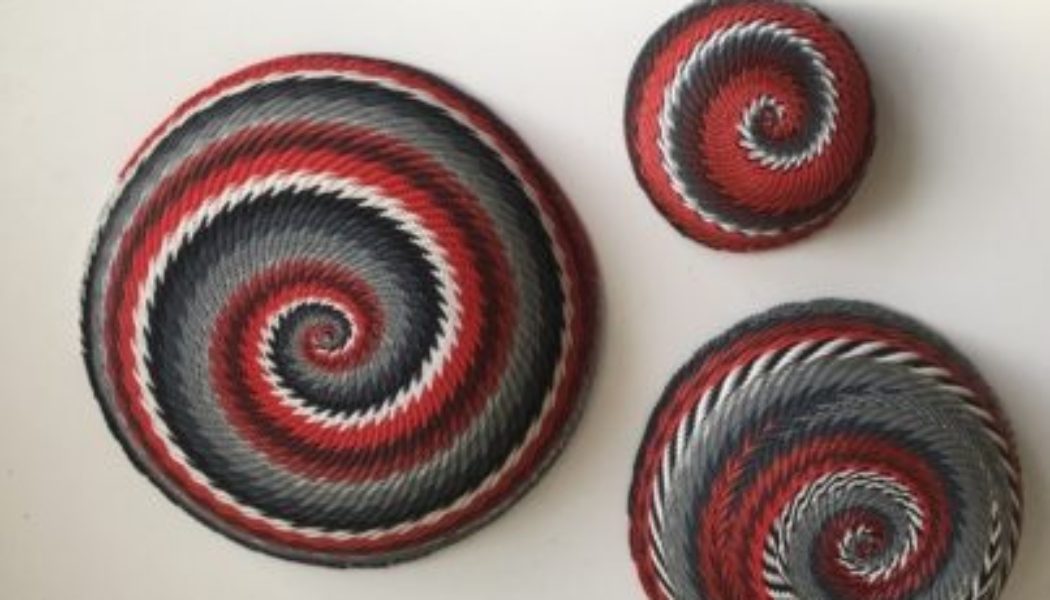

March Newsletter – Telephone Wire Collections
https://mailchi.mp/85df1296eca5/telephone-wire-basket

February Newsletter – Marching On
https://mailchi.mp/25391da74c4d/marching-on
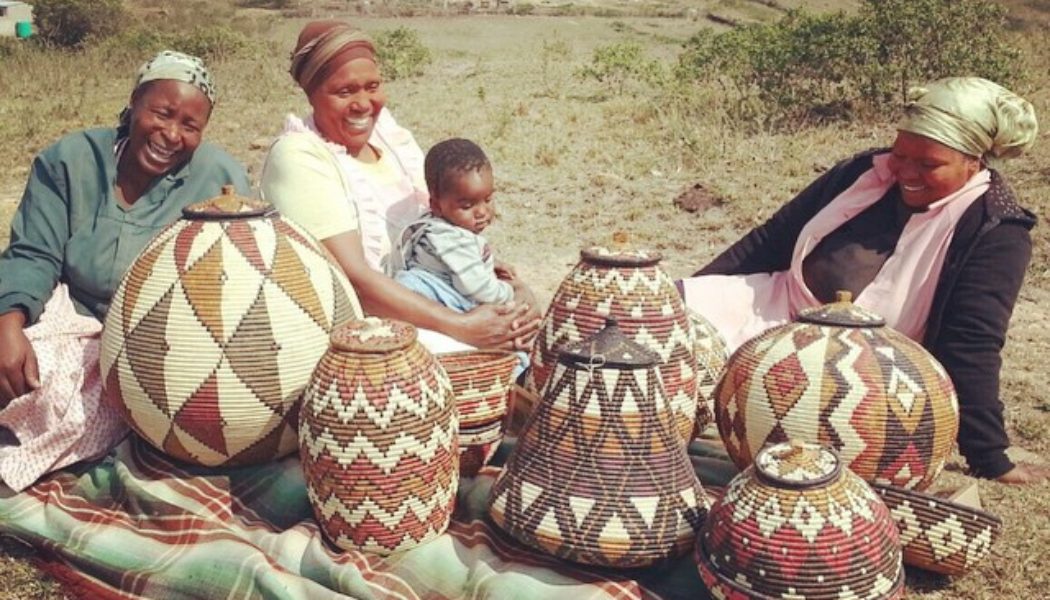

Origins of Zulu Ilala Palm Baskets
Zulus have been weaving baskets for centuries. Up until 1800 Zulu men did the weaving. However European Colonial contact changed that when men were forced to work in the mines and women had to learn to weave and did so producing items for day to day use until about 1920. Then as outside utensils ( cups, containers, pans) found their way to the most remote regions of Zulu lan...[Read More]
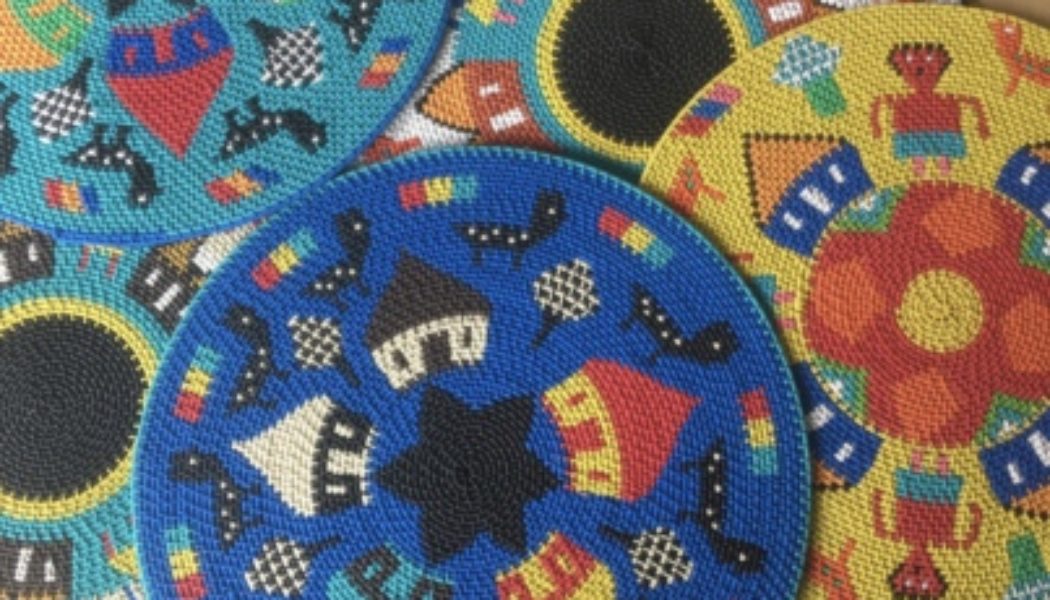

More on Telephone Wire Baskets
For many years now we have sold beautiful telephone wire baskets/bowls created using the more complex method of “soft wire weaving” where the basket is created over a mould. Recently however we have bought in more exciting products woven using the “hard wire” technique. The structure of objects made using this technique is based on a spiral of thick wir...[Read More]
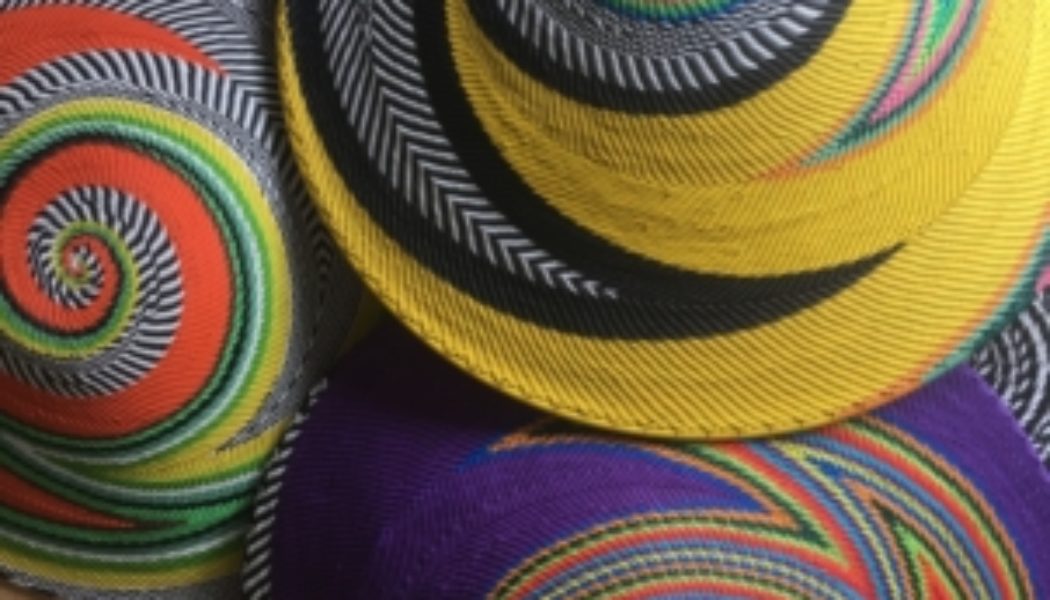

Telephone Wire Baskets as Lampshades!
Telephone Wire Baskets are beautiful, exclusive, unique and very different. Have you ever thought of turning one into a lampshade or using an assortment of the medium or large range as pendant lights? A small hole can be made in the top to thread the wire through. Make a statement in your home with these beautiful baskets.
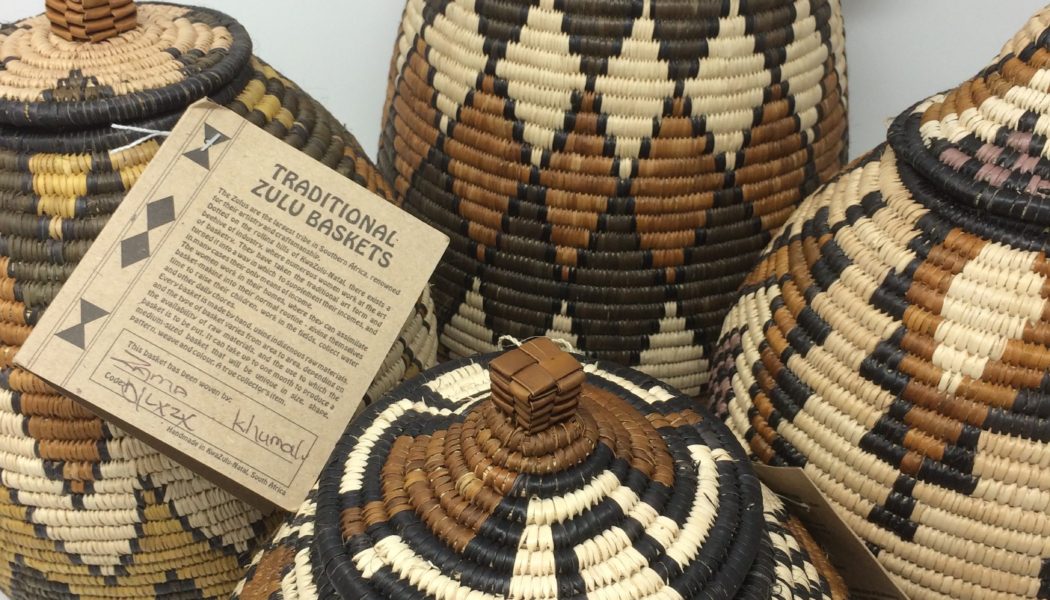

Understanding the patterns on a Zulu Ilala Palm Basket
The Marriage Design A special basket is woven by the Bride, or a member of her family, as a gift from her to the Groom, which he will use at the Wedding as a beer-drinking vessel. The story of the marriage is woven for prosperity, and for all to see – the more affluent the family, the more detailed the design woven into the basket. Small Squares or Dots – A celebr...[Read More]
Zulu Baskets – A natural touch of colour
Zulu Baskets are made using Ilala palm which grows along the North Eastern coast of Kwa Zulu Natal. Once cut and dried, the leaf is then prepared for weaving into fine, often watertight, baskets. The natural shade of the Ilala palm is cream and all other colours are obtained by boiling roots, berries, leaves and the bark of indigenous flora. Many are seasonal. Brown/Black (I...[Read More]
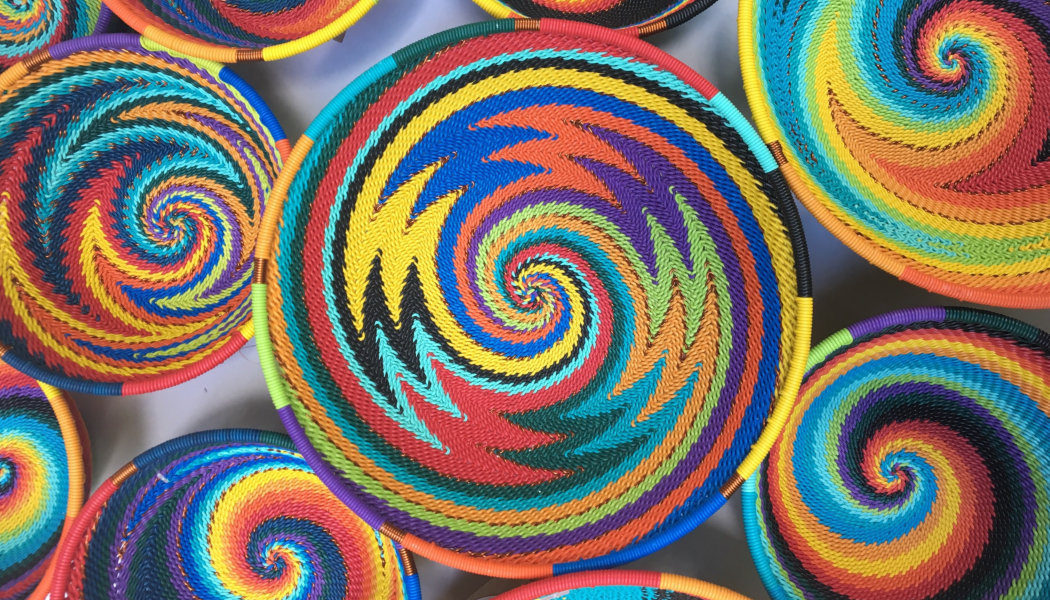

How Telephone Wire Baskets Came To Be
The iconic African Telephone Wire Basket combines traditional skills with modern materials. Hand-woven from the rim down, using both bare and plastic-coated wires, the baskets with colourful swirling patterns are mainly produced by men, the highly skilled Zulu craftsmen. Intricately woven, these urban versions of the grass and palm bowls originally made “back home” ...[Read More]
